
What type of lawyers do I need when the DPJ (Youth Protection Services) enters my life?
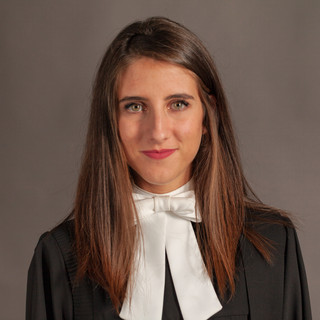
- Anne-Sophie Dupuis
- 4 hours ago
- 3 min read
Unlike some professions, such as medicine, lawyers do not specialize, or only minimally, during their studies. Therefore, they can practice in all areas of law upon graduation. During their careers, they can decide to change areas without any additional mandatory training. However, their code of ethics requires them to only accept cases for which they possess the necessary expertise.
So what happens when the Youth Protection Services (DPJ) enters your life? You might be tempted to think that family lawyers handle these types of cases, since they involve children. However, DPJ cases fall under the umbrella of youth protection law, a distinct legal field. Some lawyers practice primarily in this area and regularly work with families affected by DPJ intervention. This sustained experience fosters a nuanced understanding of the mechanisms, obligations, and specific steps involved in these cases.
Family lawyers, for their part, handle various types of cases: child custody, visitation rights with the non-custodial parent, child support, divorces, etc. They generally practice in Superior Court in cases where the Youth Protection Services (DPJ) are not involved. Some family lawyers also accept cases in youth protection.
Can you have a different lawyer for your divorce and your Youth Protection Services (DPJ) case? Yes, absolutely. In some cases, it's even recommended. If the lawyer handling your divorce isn't familiar with the Youth Protection Services, you risk missing out on valuable advice that only those who know about these services have.
How do I choose my lawyer? Make sure your lawyer has a well-established practice in the region where your case will be heard by the court. This way, they will know exactly who to contact based on the specific issues in your case. Also, ensure that your lawyer's practice focuses primarily on youth law. To verify this information, you can consult a lawyers' directory and check the areas of practice of the lawyer you are considering, or you can simply ask them.
Does a good lawyer have to be very expensive? Not necessarily. In youth protection cases, most lawyers accept legal aid mandates. If you are not eligible for legal aid, you will have to pay their fees: some bill by the hour, and others charge flat fees. Since defenses are oral in youth protection cases, few documents are written by the parents' lawyers, which significantly reduces costs. Furthermore, your lawyer is often in court, as emergency applications are frequent. Therefore, if your lawyer is in court for several cases, they will not charge you for their fees for the entire day.
As mentioned earlier, it's advisable to have a lawyer with a well-established practice in the judicial district where your case is being handled. Therefore, it's normal for them to have a higher caseload than lawyers practicing in other areas. However, if your lawyer isn't returning your calls, isn't keeping you informed of court dates, or isn't providing you with certain information, they may be carrying too many cases.
In a context as sensitive as youth protection, being well supported, informed and understood can make all the difference in how one navigates the process.
Every situation is unique. If you would like to discuss it or obtain personalized advice, our lawyers are available to assist you: 438-838-6638 ext. 2 or by email at info@cabinetdux.com
Article written by Anne-Sophie Dupuis . Discover her practice and the services she offers.